
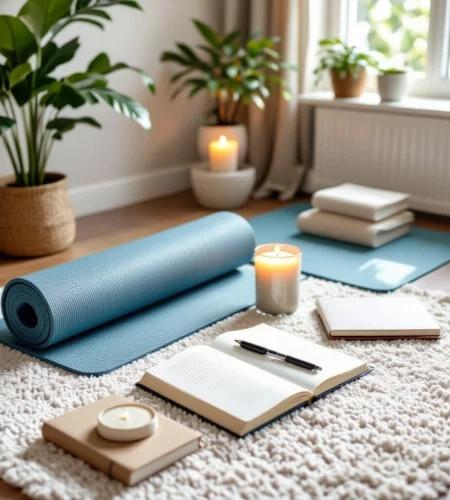
There’s something empowering about the moment you realize that living independently doesn’t require you to navigate mental wellness challenges alone. Maybe it’s when you develop your first personalized stress management routine that actually works, or when you notice how much clearer your thinking becomes after establishing boundaries around your emotional energy. The truth is, when you’re building an intentional solo lifestyle, your mental health strategy needs to be as sophisticated and evidence-based as every other aspect of your optimized life.
For solo dwellers, mental wellness isn’t about overcoming the “challenges” of independent living—it’s about recognizing that single-person households provide unique advantages for developing exceptional psychological resilience, emotional intelligence, and life satisfaction. This goes far beyond basic self-care advice written for people who can rely on partners for emotional support.
With your solitude mastery foundation from our previous discussion in place, you’re ready to move from basic mental health maintenance to offensive psychological optimization—the kind that transforms good solo living into exceptional personal development and life fulfillment.
Table of Contents
Why Solo Dwellers Have Hidden Mental Health Advantages
Here’s what traditional mental health advice misses: solo living actually provides unique psychological optimization opportunities that couples and families struggle to replicate. While others must coordinate emotional needs, navigate relationship dynamics, or compromise on mental wellness approaches, you can implement pure psychological self-optimization with unprecedented consistency and focus.
The Solo Mental Health Edge:
- Uncompromised routine consistency: Mental wellness practices without schedule coordination or partner accommodation
- Authentic emotional processing: Working through feelings without relationship impact considerations
- Personalized environment control: Physical spaces designed specifically for psychological well-being
- Flexible crisis management: Responding to mental health challenges on your optimal timeline
- Focused resource allocation: Mental energy and financial resources dedicated entirely to your wellness goals
Recent data shows that individuals who embrace intentional solo living report higher levels of self-awareness, emotional regulation, and life satisfaction when they develop targeted mental health strategies designed for independent living.
The Foundation: Building Your Cognitive Behavioral Toolkit
The Psychology Shift That Changes Everything
Having established your positive solitude mindset doesn’t just provide emotional foundation—it completely transforms your approach to mental health challenges. When you understand that chosen solitude is psychologically beneficial, you can address mental wellness from a position of strength rather than perceived social deficit.
The Confident Solo Mental Health Framework:
Phase 1: Cognitive Restructuring
- Identify and challenge negative thought patterns about independence
- Reframe solo living experiences through evidence-based positive psychology
- Develop authentic self-talk that celebrates your lifestyle choices
Phase 2: Behavioral Activation
- Create structured daily routines that support mental wellness
- Establish meaningful solo activities that provide accomplishment and joy
- Build consistent habits that reinforce psychological resilience
Phase 3: Environmental Psychology
- Design physical spaces that actively support mental well-being
- Optimize lighting, organization, and comfort for emotional regulation
- Create designated areas for different psychological needs (work, rest, creativity)
Pro Tip: Keep a “Mental Health Wins” journal documenting daily practices that improved your mood, reduced stress, or increased life satisfaction. This creates evidence-based motivation for continued wellness investment.
Strategic Mental Health Planning: Beyond Basic Self-Care
The Solo Dweller’s Mental Wellness Hierarchy
Not all mental health practices are created equal for independent living. Solo dwellers need wellness strategies that complement rather than compromise their lifestyle advantages. The goal is building integrated mental health systems that create synergy rather than scattered effort.
Tier 1: Foundation Practices (Highest Impact, Daily Implementation)
- Mindfulness meditation: 10-15 minutes daily of focused attention training
- Emotional check-ins: Structured self-assessment of mood, energy, and stress levels
- Physical movement: Exercise specifically chosen for mental health benefits
- Target: Consistent daily practice, immediate stress relief and mood regulation
Tier 2: Development Practices (Medium Impact, Weekly Implementation)
- Cognitive behavioral therapy techniques: Self-directed CBT exercises for thought pattern improvement
- Social connection planning: Intentional relationship maintenance and community building
- Creative expression: Activities that provide emotional outlet and personal fulfillment
- Target: 2-3 weekly sessions, medium-term resilience building
Tier 3: Optimization Practices (Variable Impact, Monthly Implementation)
- Professional therapy or coaching: Expert guidance for complex mental health goals
- Retreat or intensive experiences: Deeper wellness work through workshops or solo retreats
- Environmental upgrades: Physical space improvements that support psychological well-being
- Target: Monthly to quarterly investment, long-term mental health transformation
The 20-Minute Rule for Mental Health Success
Solo dwellers can’t afford to let mental health practices become overwhelming obligations that create more stress. The sweet spot for sustainable mental wellness is approximately 20 minutes daily of structured mental health practice—enough to generate meaningful psychological benefits without compromising productivity or personal time.
Daily Mental Health Allocation Strategy:
- 5 minutes: Morning intention-setting and emotional check-in
- 10 minutes: Core practice (meditation, journaling, or mindful movement)
- 5 minutes: Evening reflection and gratitude practice
This framework ensures mental health remains genuinely supportive while building toward more advanced psychological development when desired.
Addressing Solo Living-Specific Mental Health Challenges
Combating Loneliness vs. Enjoying Solitude
Even with intentional solitude mastery, occasional loneliness represents a normal human experience rather than lifestyle failure. Effective solo dwellers distinguish between temporary loneliness and chronic isolation while maintaining strategies for both scenarios.
The Strategic Loneliness Response Protocol:
- Immediate Assessment: “Am I lonely for human connection, or am I experiencing general low mood?”
- Targeted Intervention: Social outreach for connection needs, self-care practices for mood needs
- Pattern Recognition: Document triggers and effective responses for future reference
- Professional Support: Recognize when loneliness patterns require therapeutic intervention
Pro Tip: Create a “Social Energy Budget”—track how different social interactions affect your mood and energy levels to optimize your relationship choices and scheduling.
Managing Decision Fatigue and Analysis Paralysis
Solo living requires more individual decision-making than coupled or family living, which can lead to decision fatigue and mental exhaustion. Strategic solo dwellers develop decision-making frameworks that preserve mental energy for important choices.
The Solo Decision Optimization System:
- Automate routine decisions: Establish default choices for recurring decisions (meals, routes, entertainment)
- Batch similar decisions: Handle related choices in dedicated time blocks rather than throughout the day
- Create decision criteria: Develop frameworks for common decision types (purchase decisions, social invitations, time allocation)
- Schedule decision breaks: Build rest periods between major decision-making sessions
Cognitive Behavioral Therapy Applications for Solo Living
Identifying and Restructuring Solo Living-Specific Thought Patterns
CBT techniques prove especially effective for solo dwellers because independent living provides ideal conditions for consistent practice without external disruption or accommodation needs.
Common Solo Living Cognitive Distortions:
- Social comparison: “Everyone else has a partner/family, so I must be missing something”
- Catastrophic thinking: “If something happens to me, no one will know or care”
- All-or-nothing: “I’m either completely self-sufficient or totally dependent”
- Mind reading: “People think I’m lonely/weird/antisocial for choosing to live alone”
CBT Restructuring Techniques for Solo Dwellers:
Evidence Examination: Document concrete evidence that contradicts negative assumptions about your lifestyle choices. Keep a running list of positive solo living experiences and achievements.
Thought Record Practice: Use structured worksheets to identify triggers, automatic thoughts, emotions, and more balanced alternative thinking. Practice this daily during your 20-minute mental health time.
Behavioral Experiments: Test negative predictions through controlled experiences. If you believe “people judge me for dining alone,” plan solo restaurant visits and objectively observe actual reactions.
Building Resilience Through Self-Reliance Skills
Solo living provides unique opportunities for resilience building that coupled individuals often miss because they can rely on partners for emotional regulation support.
Advanced Solo Resilience Techniques:
Emotional Self-Soothing: Develop personalized comfort strategies that don’t require external validation or support—breathing techniques, self-massage, comfort object use, or environmental modifications.
Problem-Solving Confidence: Practice structured problem-solving approaches for solo living challenges. Build evidence that you can handle difficulties independently while maintaining appropriate help-seeking when needed.
Stress Inoculation: Gradually expose yourself to manageable stressors while practicing coping techniques. This builds confidence in your ability to handle challenges without external support.
Pro Tip: Create a “Solo Crisis Plan”—document your most effective stress management techniques, important phone numbers, and step-by-step protocols for different types of mental health challenges.
The Technology Stack for Mental Health Optimization
Digital Tools That Support Solo Mental Wellness
Solo dwellers need mental health systems that work efficiently without constant external support. The right technology can provide professional-level mental health support while respecting the independence and privacy that make solo living appealing.
Essential Mental Health Categories:
Therapy and Coaching Platforms
- Professional teletherapy services for convenient access to licensed therapists
- AI-powered CBT apps for structured thought work and skill building
- Coaching platforms specifically designed for solo living and independence goals

Mood and Wellness Tracking
- Daily mood tracking with pattern recognition capabilities
- Stress level monitoring through physiological markers or self-report
- Sleep quality tracking to optimize rest for mental health
Mindfulness and Meditation
- Guided meditation apps with programs designed for independent living
- Breathing technique apps for immediate stress management
- Mindfulness reminders integrated with daily scheduling

The Monthly Mental Health Review
Mental health optimization requires regular analysis and strategic adjustment. Set aside 2-3 hours monthly for comprehensive mental wellness review:
Week 1: Analyze mood patterns, stress triggers, and coping strategy effectiveness
Week 2: Review social connection quality and identify relationship needs or boundaries
Week 3: Assess self-care routine effectiveness and identify areas for improvement
Week 4: Plan upcoming month’s mental health goals and optimize support systems
This systematic approach ensures continuous psychological development without overwhelming daily focus.
Advanced Strategies: The Psychologically Optimized Solo Dweller Playbook
Creating Integrated Wellness Systems
Once you’ve established basic mental health practices, the next level involves building systems that integrate psychological wellness with other aspects of solo living optimization.
Environmental Psychology Integration
- Design living spaces that actively support mental health goals
- Create sensory environments that promote relaxation, focus, or energy as needed
- Optimize lighting, sound, and spatial organization for psychological well-being
Social Connection Optimization
- Develop strategic relationship management that enhances rather than compromises mental health
- Create boundaries that protect emotional energy while maintaining meaningful connections
- Build community connections that celebrate rather than question your lifestyle choices
Professional Development Alignment
- Integrate mental health practices with career advancement goals
- Use solo living advantages (flexibility, focus) to pursue mental wellness education
- Develop expertise that can benefit other solo dwellers through teaching or coaching
Your Next 90 Days: The Mental Health Excellence Action Plan
Month 1: Foundation Building
Week 1-2: Assess current mental health status and identify specific solo living wellness goals
Week 3-4: Establish daily 20-minute mental health routine and select primary tracking methods
Month 2: Skill Development
Week 1-2: Implement CBT techniques for solo living-specific thought patterns
Week 3-4: Optimize social connection strategy and practice loneliness management techniques
Month 3: System Integration
Week 1-2: Integrate mental health practices with environmental design and daily routines
Week 3-4: Establish monthly review process and set quarterly mental wellness targets
The Long-Term Vision
Your mental health optimization journey isn’t about overcoming solo living challenges—it’s about leveraging independent living advantages to achieve exceptional psychological well-being. Every strategic mental health decision should align with your broader goals for intentional living, personal fulfillment, and authentic self-expression.
Solo dwellers who master mental health optimization don’t just maintain psychological stability—they develop enhanced emotional intelligence, resilience, and life satisfaction that enhances every aspect of their independent lifestyle. Your solitude isn’t a mental health risk; it’s a psychological advantage when approached with the right knowledge and strategic implementation.
Remember: the goal isn’t to become completely self-sufficient in mental health support or avoid professional help when needed. It’s about building such strong psychological foundation that you can navigate life challenges with confidence while making informed decisions about when and how to seek additional support.
Use of this website constitutes acceptance of all our disclaimers and legal agreements.
FREE "8 Essential Pillars for Mastering the Art of Solo Living"
Comments