
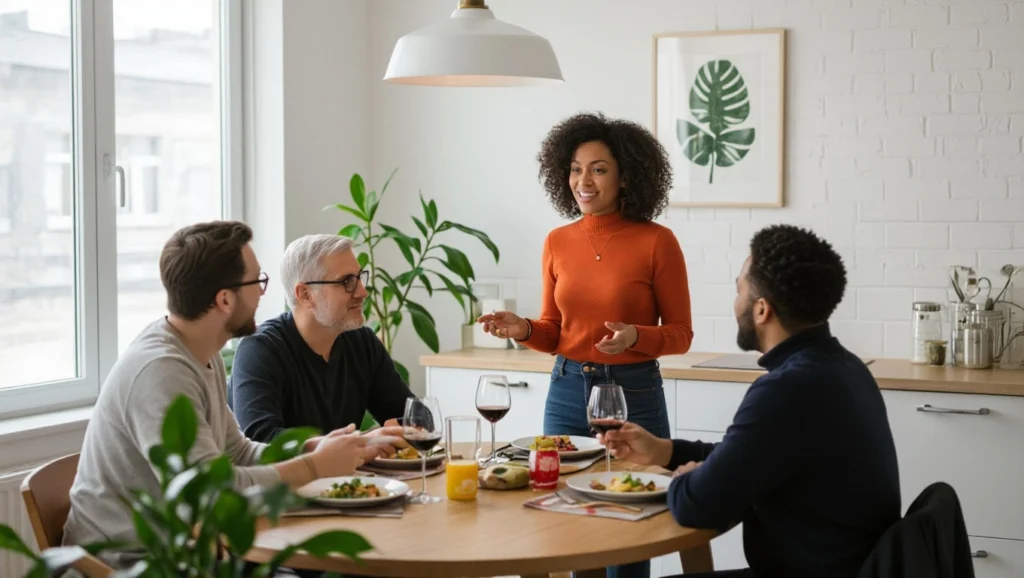
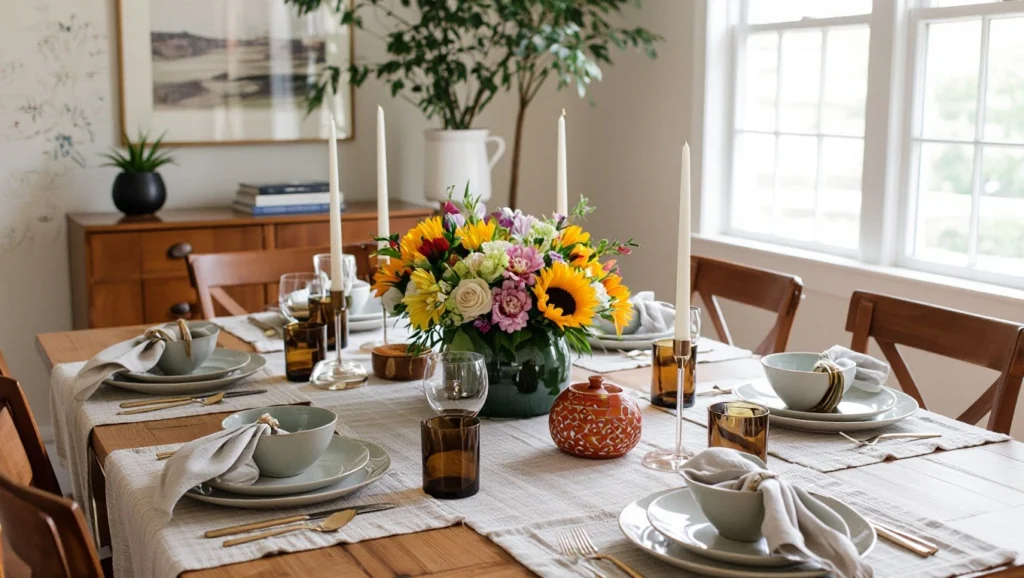
There’s something liberating about the moment you realize that meaningful relationships and intentional independence aren’t mutually exclusive. Maybe it’s when you successfully host your first dinner party in your perfectly curated space, or when you recognize how much richer your social connections become when they’re built from choice rather than necessity. The truth is, when you’re building an intentional solo lifestyle, your approach to community and relationships needs to be as sophisticated and strategic as every other aspect of your optimized life.
For solo dwellers, social connection isn’t about compromising independence or filling a “void”—it’s about recognizing that independent living provides unique opportunities for cultivating extraordinary relationships, building authentic community, and developing social skills that partnered individuals often struggle to achieve. This goes far beyond basic networking advice written for people who rely on romantic partners for primary social fulfillment.
With your psychological toolkit mastery from our previous discussion in place, you’re ready to move from defensive social management to offensive community building—the kind that transforms good solo living into exceptional personal and professional success while maintaining the autonomy that makes independent living so rewarding.
Table of Contents
Why Solo Dwellers Have Hidden Social Advantages
Here’s what traditional relationship advice misses: solo living actually provides unique social development opportunities that couples and families struggle to replicate. While others must navigate partner approval, coordinate social calendars, or manage relationship dynamics in every interaction, you can engage in pure relationship optimization with unprecedented flexibility and authenticity.
The Solo Social Edge:
- Authentic relationship choice: Building connections based purely on compatibility and mutual benefit rather than convenience or obligation
- Flexible social scheduling: Engaging with people when you’re mentally and emotionally optimal rather than accommodating partner schedules
- Diverse network development: Cultivating relationships across multiple spheres without relationship constraints or jealousy concerns
- Deep conversation capacity: Offering full attention and presence without distraction from partner needs or household dynamics
- Independent growth sharing: Bringing your complete, developed self to relationships rather than half of a couple identity
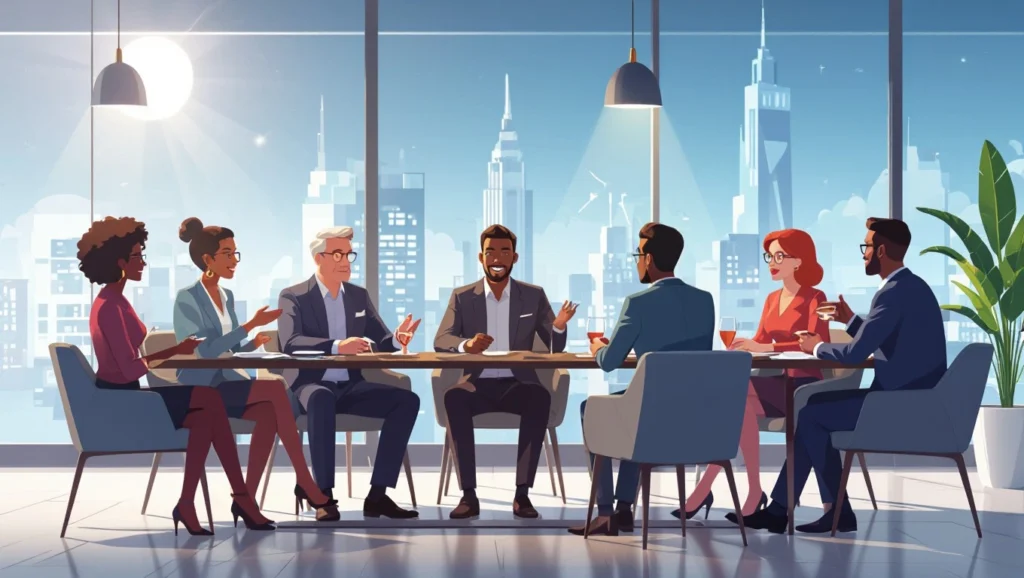
Recent research demonstrates that people who embrace intentional solo living often develop stronger, more diverse social networks and higher relationship satisfaction when they approach community building strategically rather than reactively.
The Foundation: Strategic Relationship Architecture for Solo Living
The Psychology Shift That Changes Everything
Having established your psychological toolkit and self-care architecture doesn’t just provide personal foundation—it creates the perfect conditions for extraordinary relationship development. When you approach social connection from a position of psychological strength and independence, you can build relationships that enhance rather than complete your life.
The Strategic Solo Social Framework:
Phase 1: Relationship Portfolio Assessment
- Evaluate current relationships for quality, reciprocity, and alignment with your values and goals
- Identify relationship gaps in professional development, personal growth, and emotional support areas
- Assess your social energy patterns and optimal relationship engagement styles
Phase 2: Intentional Community Building
- Develop strategic approaches to meeting like-minded individuals who celebrate independent living
- Create opportunities for meaningful connection that honor your lifestyle preferences and schedule
- Build diverse networks that support different aspects of your personal and professional development
Phase 3: Relationship Maintenance Excellence
- Implement systems for nurturing important relationships without overwhelming your independent lifestyle
- Develop communication skills that enhance connection while maintaining healthy boundaries
- Create sustainable approaches to being a good friend, mentor, and community member
Pro Tip: Create a “Relationship Investment Portfolio” tracking your social connections across categories (professional development, emotional support, fun/recreation, intellectual stimulation) to ensure balanced network development.
Strategic Social Development: Beyond Basic Networking
The Solo Dweller’s Social Hierarchy
Not all social connections provide equal value for independent living optimization. Solo dwellers need relationship strategies that enhance rather than compromise their lifestyle advantages. The goal is building integrated social systems that create synergy rather than scattered social obligation.
Tier 1: Core Support Network (Daily to Weekly Interaction, Highest Impact)
- Deep friendships: 2-4 individuals who truly understand and celebrate your solo living choices
- Professional mentors: Senior colleagues or coaches who support your career development and independence goals
- Family relationships: Optimized connections with family members who respect your lifestyle choices
- Target: Consistent contact, mutual support, and celebration of individual achievements
Tier 2: Community Engagement (Weekly to Monthly Interaction, Medium Impact)
- Professional networks: Industry colleagues, mastermind groups, and career development communities
- Interest-based groups: Hobby clubs, fitness groups, or creative communities aligned with your passions
- Neighborhood connections: Local relationships that enhance your living environment and community involvement
- Target: Regular participation, skill development, and expanded social opportunities
Tier 3: Broader Social Ecosystem (Monthly to Quarterly Interaction, Variable Impact)
- Acquaintance networks: Casual connections who provide diverse perspectives and occasional opportunities
- Service providers: Relationships with professionals who support your solo living optimization (therapy, training, coaching)
- Event-based connections: People met through conferences, travel, or special events who expand your worldview
- Target: Periodic connection, opportunity recognition, and network expansion
The 2-Hour Rule for Social Development Success
Solo dwellers can’t afford to let social obligations become overwhelming commitments that compromise the independence that makes their lifestyle appealing. The sweet spot for sustainable social development is approximately 2 hours daily of intentional social interaction—enough to build meaningful connections without sacrificing personal time or energy.
Daily Social Development Allocation Strategy:
- 45 minutes: Core relationship maintenance (calls, texts, quick check-ins with close friends or family)
- 60 minutes: Active social engagement (meetings, events, or planned social activities)
- 15 minutes: Social network development (LinkedIn, professional platform engagement, or planning future connections)
This framework ensures social development remains genuinely beneficial while maintaining the autonomy and flexibility that makes solo living attractive.
Advanced Social Strategies for Solo Living Excellence
Building Professional Networks That Celebrate Independence
Professional networking proves especially rewarding for solo dwellers because independent living provides ideal conditions for strategic relationship building without partner accommodation needs or relationship dynamic complications.
Solo Professional Networking Advantages:
Geographic Flexibility: Attend conferences, events, or professional gatherings anywhere without coordinating travel or accommodation with a partner
Schedule Optimization: Accept networking invitations, schedule meetings, or attend events based purely on professional value and personal energy levels
Authentic Professional Identity: Present your complete professional self without couple identity considerations or partner career coordination
Advanced Solo Networking Techniques:
Strategic Event Selection: Choose networking opportunities based on quality potential connections rather than convenience or partner preferences. Research attendee lists, plan specific conversation goals, and prepare thoughtful questions about others’ independent living experiences.
Professional Mentorship Development: Seek mentors who appreciate and can guide independent living choices while offering career advancement support. Look for successful solo professionals who can provide both professional and lifestyle guidance.
Thought Leadership Building: Develop expertise in solo living optimization within your professional field. Share insights about independent living advantages, productivity benefits, and lifestyle optimization strategies through speaking, writing, or consulting opportunities.
Pro Tip: Develop a “Solo Professional Story” that confidently explains your independent living choices as deliberate lifestyle optimization rather than circumstantial arrangement. Practice sharing this story until it feels natural and empowering.
Creating Community Without Compromising Autonomy
The Art of Selective Social Engagement
Solo living provides unique opportunities for curating social experiences that genuinely align with personal values, interests, and energy levels rather than accommodating relationship compromises or social obligations.
Strategic Social Curation Approaches:
Value-Aligned Community Building: Actively seek communities, groups, and events where independent living is celebrated rather than questioned. Look for professional women’s groups, entrepreneurship communities, or lifestyle optimization networks that attract intentional solo dwellers.
Quality-Over-Quantity Relationship Development: Focus on developing fewer, deeper relationships rather than maintaining numerous superficial connections. Invest time and energy in people who genuinely understand and support your lifestyle choices.
Boundary-Conscious Social Planning: Design social activities that respect your energy levels, schedule preferences, and personal space needs. Host gatherings in your optimized living space, plan time-limited activities, and maintain control over social interaction intensity.
Advanced Relationship Maintenance Systems
Systematic Relationship Management for Solo Dwellers:
Regular Connection Scheduling: Create structured approaches to maintaining important relationships without overwhelming spontaneous social demands. Schedule weekly calls with close friends, monthly coffee meetings with professional contacts, and quarterly deeper check-ins with family members.
Reciprocal Support Systems: Develop mutual support arrangements that honor independence while providing reliability. Create “backup systems” with trusted friends for emergencies, professional references, or major decision-making support.
Celebration and Milestone Sharing: Establish traditions for sharing achievements, milestones, and important life events with your chosen community. Design celebration approaches that feel authentic and joyful rather than obligatory or couple-focused.
Addressing Solo Living Social Challenges
Combating Social Misconceptions and Judgment
Even within strategic social development, solo dwellers encounter misconceptions about independent living choices that require confident, educated responses rather than defensive explanations.
Common Social Misconceptions About Solo Living:
- “You must be lonely or antisocial”
- “You’re just waiting for the right person”
- “Independent living is selfish or immature”
- “You’re missing out on ‘real’ adult experiences”
Advanced Response Strategies:
Educational Confidence: Share research about solo living benefits, lifestyle optimization advantages, and independent living satisfaction statistics. Position your choices as informed, intentional decisions rather than default arrangements.
Success Story Sharing: Highlight achievements, experiences, and personal growth that your independent living has enabled. Demonstrate how solo living supports rather than hinders life satisfaction and goal achievement.
Community Connection: Connect questioners with information about the growing solo living community, lifestyle blogs, or professional resources that normalize and celebrate independent living choices.
Managing Social Energy and Introversion
Solo living often attracts individuals who value solitude and may experience social situations differently than extroverted, highly social people. Strategic social development must honor these preferences while building meaningful connections.
Social Energy Management Techniques:
Pre-Social Preparation: Develop routines that optimize energy and confidence before social events. This might include meditation, physical exercise, or intentional solitude to “charge up” for interaction.
Strategic Social Recovery: Plan post-social activities that restore energy and process social experiences. Schedule downtime after events, practice reflection journaling, or engage in solo activities that feel restorative.
Social Interaction Customization: Design social experiences that align with your optimal interaction styles. If large groups feel overwhelming, focus on one-on-one connections or small gatherings in comfortable environments.
Pro Tip: Create a “Social Energy Tracker” documenting how different types of interactions affect your mood, energy, and overall well-being. Use this data to optimize your social strategy and make informed decisions about social commitments.
The Technology Stack for Social Development
Digital Tools That Enhance Social Connection
Solo dwellers need social development systems that work efficiently while respecting privacy and independence preferences. The right technology can facilitate meaningful connections without overwhelming personal boundaries or time management.
Essential Social Development Categories:
Professional Networking Platforms
- LinkedIn optimization for independent professional brand building and connection management
- Industry-specific platforms that connect solo professionals and independent contractors
- Professional event platforms that help identify high-quality networking opportunities
Community and Interest-Based Connections
- Meetup and interest-based group platforms for finding like-minded communities
- Hobby and activity-specific apps that connect people around shared interests
- Local community platforms that highlight neighborhood events and connection opportunities
Relationship Management and Communication
- CRM systems adapted for personal relationship management and follow-up scheduling
- Calendar integration tools that balance social commitments with personal time and energy needs
- Communication platforms that facilitate meaningful connection while respecting privacy boundaries
The Monthly Social Development Review
Social development mastery requires regular analysis and strategic adjustment. Set aside 2-3 hours monthly for comprehensive social strategy optimization:
Week 1: Analyze relationship portfolio balance, connection quality, and social energy patterns
Week 2: Review professional networking progress, opportunity development, and career support system effectiveness
Week 3: Assess community engagement satisfaction, interest group participation, and local connection development
Week 4: Plan upcoming month’s social goals, optimize networking calendar, and adjust social development strategies
This systematic approach ensures continuous social development without overwhelming daily independence or personal time management.
Advanced Strategies: The Socially Connected Solo Dweller Playbook
Creating Integrated Social Systems
Once you’ve established basic social development practices, the next level involves building systems that integrate community connection with other aspects of optimizing solo living.
Professional and Social Integration
- Develop career relationships that celebrate and support independent living choices and professional advancement
- Create business opportunities through social connections that honor lifestyle preferences and autonomy goals
- Build professional reputation around solo living expertise, lifestyle optimization skills, and independent success strategies
Personal Growth and Community Contribution
- Share solo living knowledge and optimization strategies with others navigating independent living transitions
- Mentor individuals considering solo living or optimizing their independent lifestyles
- Contribute to solo living communities through writing, speaking, or resource development that benefits others
Lifestyle and Social Enhancement
- Design social activities and community involvement that showcase and celebrate your optimized solo living environment
- Create traditions and experiences that demonstrate the richness and fulfillment possible through intentional independent living
- Build community connections that enhance rather than compromise your lifestyle preferences and personal goals
Your Next 90 Days: The Social Development Mastery Action Plan
Month 1: Foundation Building
Week 1-2: Assess current social network quality and identify strategic relationship development goals
Week 3-4: Establish daily social development routine and select primary networking and community platforms
Month 2: Active Development
Week 1-2: Implement professional networking strategies and join interest-based communities aligned with your values
Week 3-4: Practice advanced social skills and boundary management while building new meaningful connections
Month 3: System Integration
Week 1-2: Integrate social development with professional advancement and personal growth goals
Week 3-4: Establish monthly review process and set quarterly social development and community contribution targets
The Long-Term Vision
Your social development journey isn’t about overcoming solo living limitations—it’s about leveraging independent living advantages to build extraordinary relationships and community connections. Every strategic social decision should align with your broader goals for authentic living, professional success, and personal fulfillment.
Solo dwellers who master social development don’t just maintain adequate connections—they build exceptional networks, meaningful communities, and influential relationships that enhance every aspect of their independent lifestyle. Your independence isn’t a social barrier; it’s a relationship advantage when approached with strategic intention and authentic confidence.
Remember: the goal isn’t to replicate partnered social patterns or achieve some arbitrary social standard. It’s about building such rich community connections that you can celebrate your independent living choices while contributing meaningfully to others’ lives and receiving genuine support for your goals and dreams.
Use of this website constitutes acceptance of all our disclaimers and legal agreements.
FREE "8 Essential Pillars for Mastering the Art of Solo Living"
Comments